How to Talk to Kids About Easter (Even the Tricky Parts)
For many Christian families, Easter is one of the most meaningful moments of the year. It’s the story at the center of our faith—the story of Jesus’ death and resurrection.
But when it comes to teaching kids about Easter, many parents find themselves wondering:
How do I explain the hard parts?
The Easter story includes betrayal, suffering, and death before it gets to the joy of resurrection. Those themes can feel heavy when you’re talking to young children.
If you’ve ever struggled with how to talk to kids about Easter, you’re not alone. The good news is that kids can understand the heart of the Easter story when it’s shared in ways that are honest, hopeful, and age-appropriate.
Here are some practical ways to help children understand the tricky parts of Easter while building strong foundations for faith formation and child discipleship.
Start With the Big Story of God’s Love
Before focusing on the events of Good Friday, it helps to start with the bigger story of the Bible.
Kids need to know that Easter isn’t just about something sad that happened to Jesus. It’s part of a much bigger story about God’s love.
You might explain it like this:
God created people because He loves them. But people make choices that hurt others and turn them away from God. This is called “sin.” Sin is when we choose our own way instead of God’s way. And sin hurts God’s heart. So He sent Jesus to rescue us and to pay the price for our sin so we can be friends with God.
At its core, teaching kids about Easter is helping them see how deeply loved they are by God.
Use Age-Appropriate Language
One of the most important things to remember when thinking about how to teach Easter to kids is that children don’t need every detail.
Young kids especially don’t need graphic descriptions of the crucifixion. Instead, focus on the meaning behind what happened.
For younger children, you might say:
“At Easter we celebrate that Jesus died because He loves us so much!”
You don’t have to camp out on the idea of Jesus’ death. Rather, focus on His love.
For a little older children, you might expand the concept and say:
“Jesus died on the cross to pay the price for our sins because He loves us.”
Even older kids may be ready for a little more explanation, including the fact that Jesus was treated unfairly and suffered. But even then, the emphasis should stay on why it happened—God’s love and Jesus’ sacrifice.
Keeping explanations simple allows kids to grasp the truth without feeling overwhelmed.
Explain Sin in a Way Kids Understand
To understand Easter, children also need to understand why Jesus came.
That starts with the concept of sin which we mentioned earlier. Let’s unpack the idea of sin a bit more . . .
Thankfully, kids are already beginning to understand the idea of right and wrong. You can explain sin in everyday terms:
- Sin is when we choose our own way instead of God’s way.
- Sin turns us away from God.
- Everyone makes mistakes.
- We all need forgiveness.
Once kids learn that all people make wrong choices sometimes, the story of Jesus’ sacrifice becomes meaningful rather than confusing.
This step is an important part of child discipleship, because it connects the story of the cross to kids’ real lives.
Help Kids See That Jesus Chose the Cross
One of the most common questions children ask about Easter is:
“Why didn’t Jesus stop it?”
That’s a natural question. Kids often struggle with the idea that someone good could be hurt.
A helpful way to explain this is to emphasize that Jesus chose to go through it.
You might say:
“Jesus knew what would happen, but He chose to go through it because He loves us and wanted to save us.”
This shifts the focus from tragedy to sacrifice. Kids begin to see the cross not just as something sad, but as the greatest act of love.
Don’t Stop at the Cross
If the story ended with the crucifixion, Easter would feel very heavy for kids.
But the cross isn’t the end of the story.
The best part is the resurrection.
Three days after Jesus died, He came back to life. This is the moment that changed everything.
The resurrection shows that:
- Jesus is stronger than death
- God keeps His promises
- Hope always has the final word
When teaching kids about Easter, it’s important to spend just as much time (or more) celebrating the resurrection as explaining the cross.
For kids, the empty tomb is the moment where sadness turns into joy.
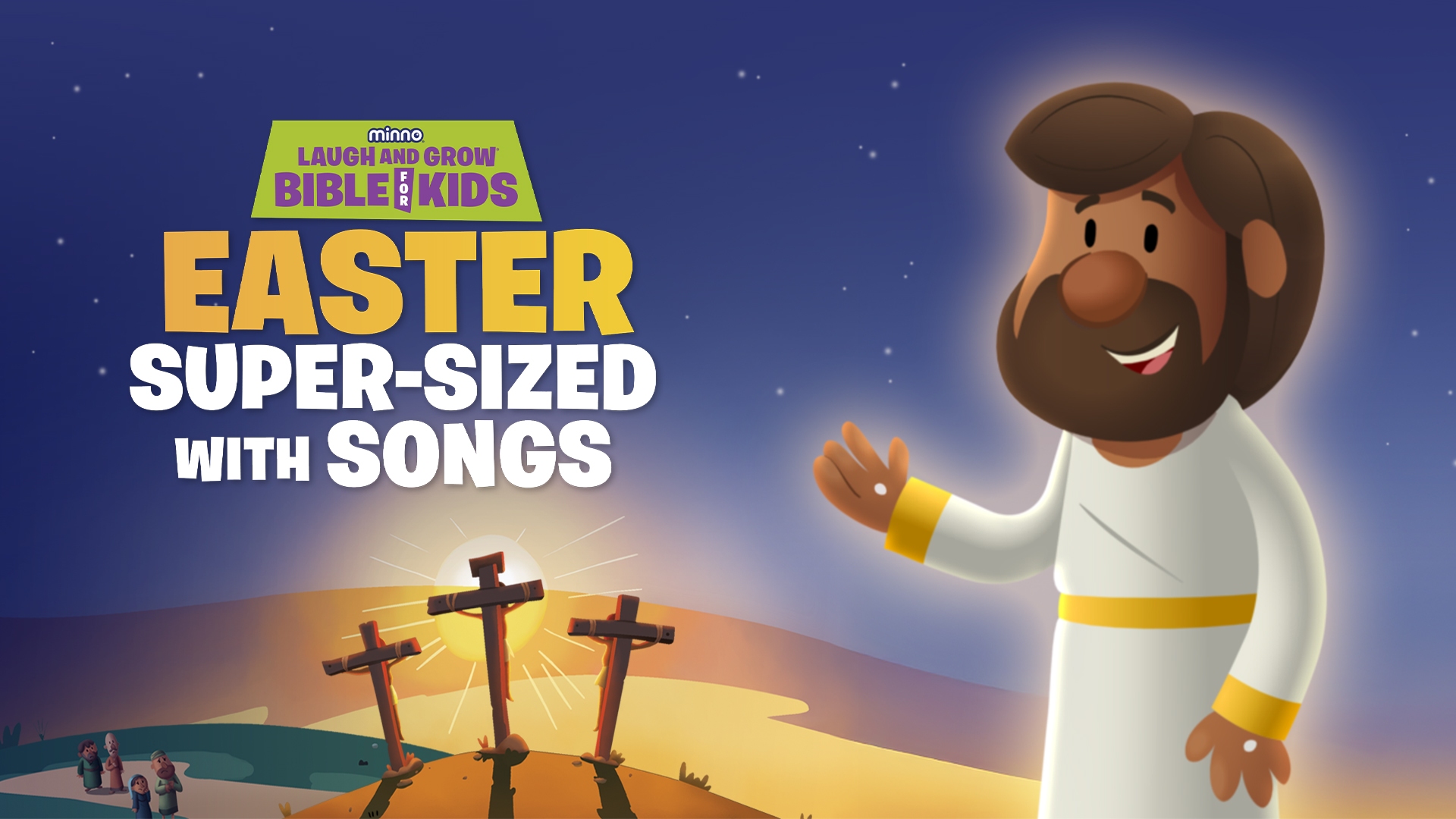
Watch our SUPER-SIZED Easter special for a gentle re-telling of the Easter story made just for kids!
Invite Questions
Kids are naturally curious, and the Easter story raises big questions.
You might hear things like:
- “Why did people want to hurt Jesus?”
- “Where was God when Jesus died?”
- “How did Jesus come back to life?”
These questions are not something to avoid—they’re opportunities for deeper conversations.
If you don’t know the perfect answer, it’s okay to say:
“That’s a really good question. Let’s wonder about it together.”
Faith grows through curiosity, conversation, and exploration. Encouraging questions helps kids develop a faith that is thoughtful and personal.
Focus on Relationship, Not Just Information
When parents think about how to teach Easter to kids, it can be easy to focus on getting the story “right.”
But the goal of Easter isn’t just understanding facts. The goal is helping kids know Jesus. No one knows your child better than you (besides Jesus) so trust your heart on what they are ready for at each age and stage of teaching your kids about Easter.
That’s why one of the most powerful things you can do is share personally.
Talk about:
- Why Easter matters to you
- What Jesus’ love means in your life
- Why the resurrection gives you hope
Kids learn faith best when they see it lived out in everyday life. This kind of relational faith is at the heart of child faith formation.
Keep Coming Back to Hope
“. . . he has given us new life and a hope that lives on.” 1 Peter 1:3b CEV
The Easter story includes sadness, but its ultimate message is hope.
Jesus’ resurrection means:
- Love is stronger than sin
- Forgiveness is possible
- God’s plan is bigger than our mistakes
When children understand Easter, they begin to see that the story of Jesus isn’t just something that happened long ago.
It’s good news for them today.
Why Teaching Kids About Easter Matters
In a season filled with egg hunts, candy, and spring celebrations, it can be easy for the deeper meaning of Easter to get lost.
But when parents intentionally teach their children the Easter story, they are planting seeds of faith that can last a lifetime.
Learning how to talk to kids about Easter helps children understand who Jesus is and why His story matters.
And when kids grasp the hope of the resurrection, Easter becomes more than a holiday.
It becomes the beginning of a lifelong journey of child discipleship and faith formation.