The Importance of Dual-Language Learning for Preschoolers
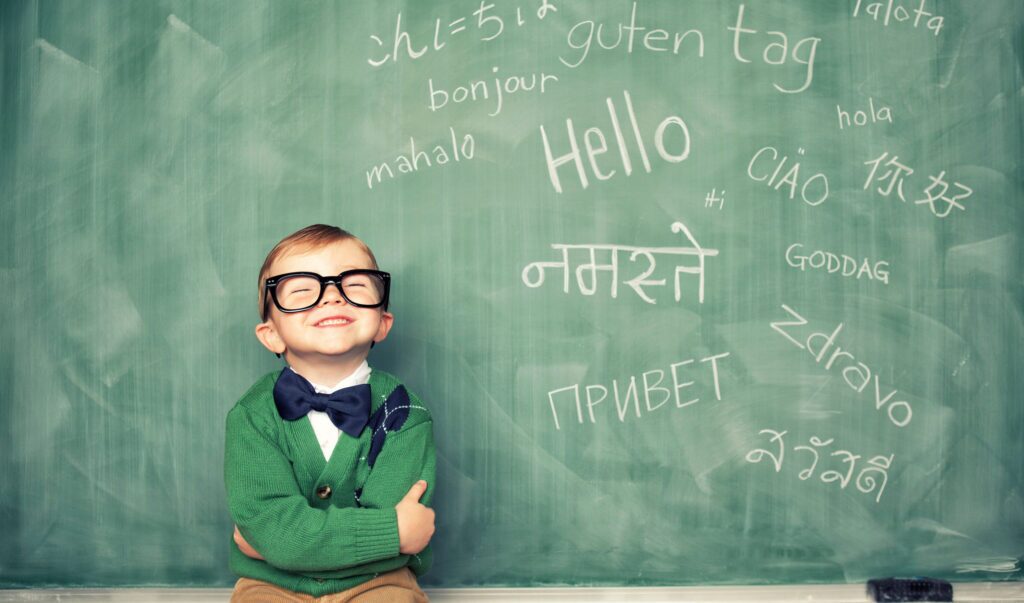
When you’re parenting a preschooler, it can feel like a big win to hear him say “please” without any reminders from you.
But a four-year-old who throws out a casual “por favor?” Now that’s really impressive.
It’s also totally possible. Kids are sponges. They soak up everything we do and say. That’s how they learn to speak. It’s in this window of nonstop learning that introducing a second language is especially effective.
Let’s take a look at what research tells us about the benefits of bilingualism as well as the compelling reasons for starting your child’s language learning journey at an early age.
At the end of the article, we’ll share a few fun options for your little one to begin learning a second language today!
Language Learning Around the World
If you’re reading this from outside of the United States, you might wonder why we need to encourage parents in this area. After all, 9 out of 10 European students learn a second language in school and a quarter of Canadians are fluent in English and French. And many schools in other areas of the world teach both the student’s native language as well as English.
Here in the U.S., however, just 20% of students in elementary school through high school take a foreign language class. And—if our own upbringings are any indication—we can guess that only a small percentage of those students will ever become bilingual.
Is it possible that the rest of the world knows something we don’t?
Benefits of Learning a Second Language
Before we get into the nitty-gritty reasons found in research, let’s talk about one that feels almost idyllic:
Children who learn a second language become adults who connect to the world in a more open and understanding way. Bilingualism opens kids up to new cultures, bringing opportunities for friendship and—later—for employment, travel and deeper connections.
But there’s also something happening in the brains of bilingual people as well:
They routinely prove more capable at functions requiring executive control—tasks like making decisions and prioritizing plans. And scientists have also identified a higher density of brain tissue in the parts of the brain that improve language, memory and attention span.
Think about what that means for you as a parent and for your child as they grow and learn in our world today. Developing a skill that adds meaning to life will also aid your son or daughter in managing information and engaging with others in a calmer and more effective way.
The most interesting part? Researchers discovered greater brain tissue density in adults who were introduced to a second language before the age of five.
Why Now is The Best Time to Introduce Your Child to a Second Language
Beyond brain-tissue building, researchers point to other key reasons that the younger you can encourage bilingualism in a child, the better. By starting early you can:
Take Advantage of Passive Learning
Babies, toddlers and young children understand the meaning of words, and how to use them, by listening. This is called implicit, or unconscious, learning. In other words: the process of introducing a new language to young children can be quite simple.
Watch Your Child Gain Understanding of Conversational Nuance
We talked earlier about the lifelong benefits of bilingualism. But there are immediate ones too. Researchers found that preschoolers who speak two languages are better able to pick up on tone of voice as well as the intentions and perspectives of another person.
Get Ahead of The Language-Learning Decline
While researchers can’t quite agree on the exact age when a person is “too old” to learn a new language—some say 17, others say you’re never too old—studies do show a consistent decline in the ability to become bilingual as a person gets older.
There’s truly no better time to introduce a second language to your child than right now.
Remember the Value of Non-Verbal Language
When we think about teaching kids a second language, we might first consider Spanish, French or Chinese. But we can’t forget about ASL.
In recent years, sign language has proven a helpful means of communication for babies and toddlers who are not yet verbal. This is especially true for little ones who feel frustrated and can’t quite form the words to say what they need.
As kids grow, learning ASL can help with letter recognition and reading comprehension as well as an increased vocabulary.
But the benefits extend well beyond academics. Studies show that kids who learn sign language better understand facial expressions, exhibit higher levels of focus and have more self-control.
Plus, it’s just cool that a kid can speak two languages at the same time when they know ASL!
And just like with spoken languages, kids who learn sign language open a window of connection and friendship into a community that can sometimes face isolation and loneliness.
Three Fun Ways to Introduce a New Language To Your Child Today
When there’s no downside to learning a second language—and a whole lot of ups—you might as well get started right away. Thankfully, here at Minno, we know the value of Biblically-based content that’s both fun and educational.
We’ve got three options you might want to check out. Each of the shows below offer young viewers a way to take advantage of implicit learning and to adopt new information while laughing and enjoying healthy screen time.
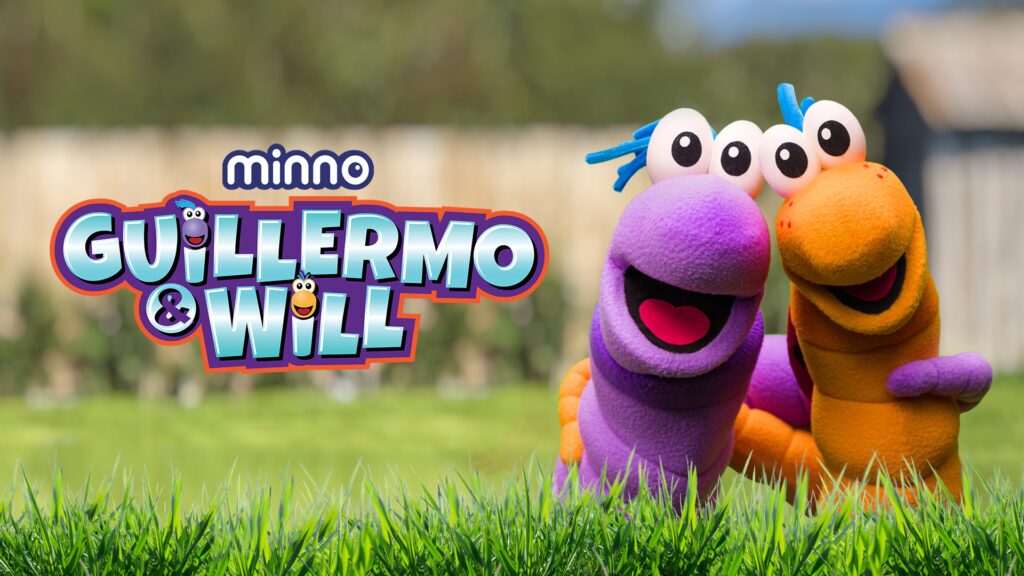
Check out our new Spanish/English show, Guillermo and Will, featuring two cross-cultural puppet friends who take on adventure with joy and wonder.
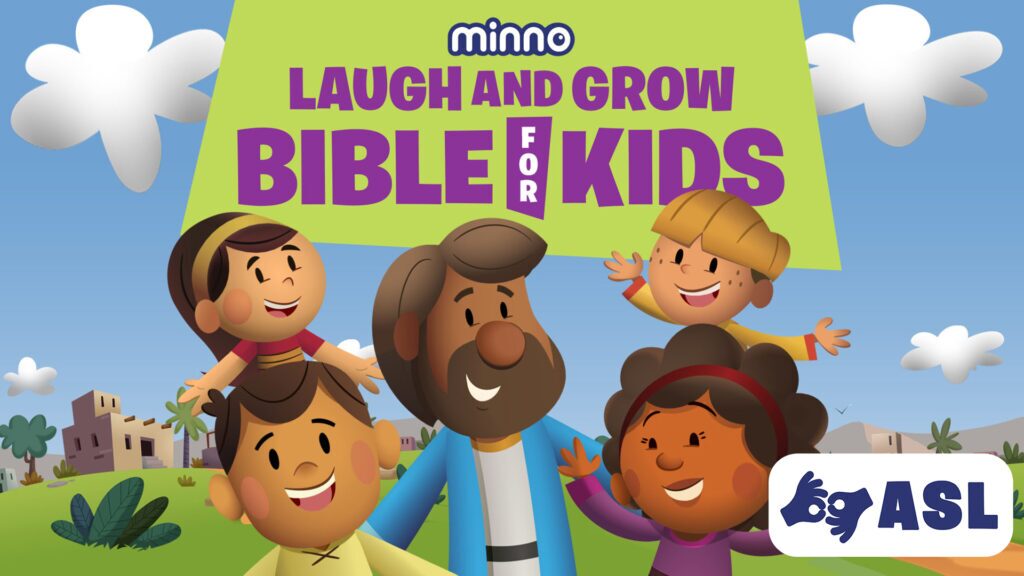
Watch The Laugh & Grow Bible for Kids with American Sign Language.
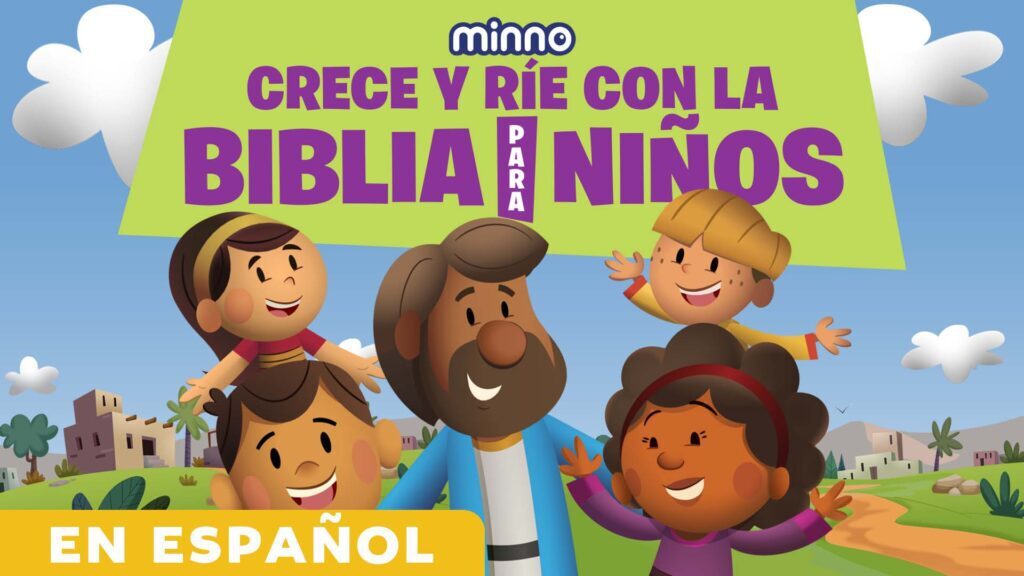
Enjoy The Laugh & Grow Bible for Kids in Spanish.
Then, if you like, you and your preschooler can mimic what you see and hear. Choose a few words in Spanish that seem to get your child’s attention and use them in everyday life. Practice signing words that are helpful to your family.
After that, the sky is the limit. Learning a third language is easier than the second—so why stop at two? Mas, por favor!
written by Stephanie Thomas